

The strength of community farming lies in shared responsibility. In the earlier system 1 family received a fraction of 1 animal, which meant complicated administration with many members. Now 5–6 families = 1 micro-community: less administration, smoother running, so uncompromising food is within reach for more people.
Micro-communities are built on groups of friends and families who are close to each other. These people can count on each other in everyday life anyway — and now they pull together in food production as well.
Such a circle of friends keeps one calf and the chosen number of lambs together. The families form one unit, and because they know each other well, they do things for each other that they might not do for anyone else: they organise the logistics, share out the tasks, and enjoy the fruits of the shared work together.
One designated family takes on keeping in touch with the Farm; they are responsible for collecting and transporting the meat on the agreed slaughter day.
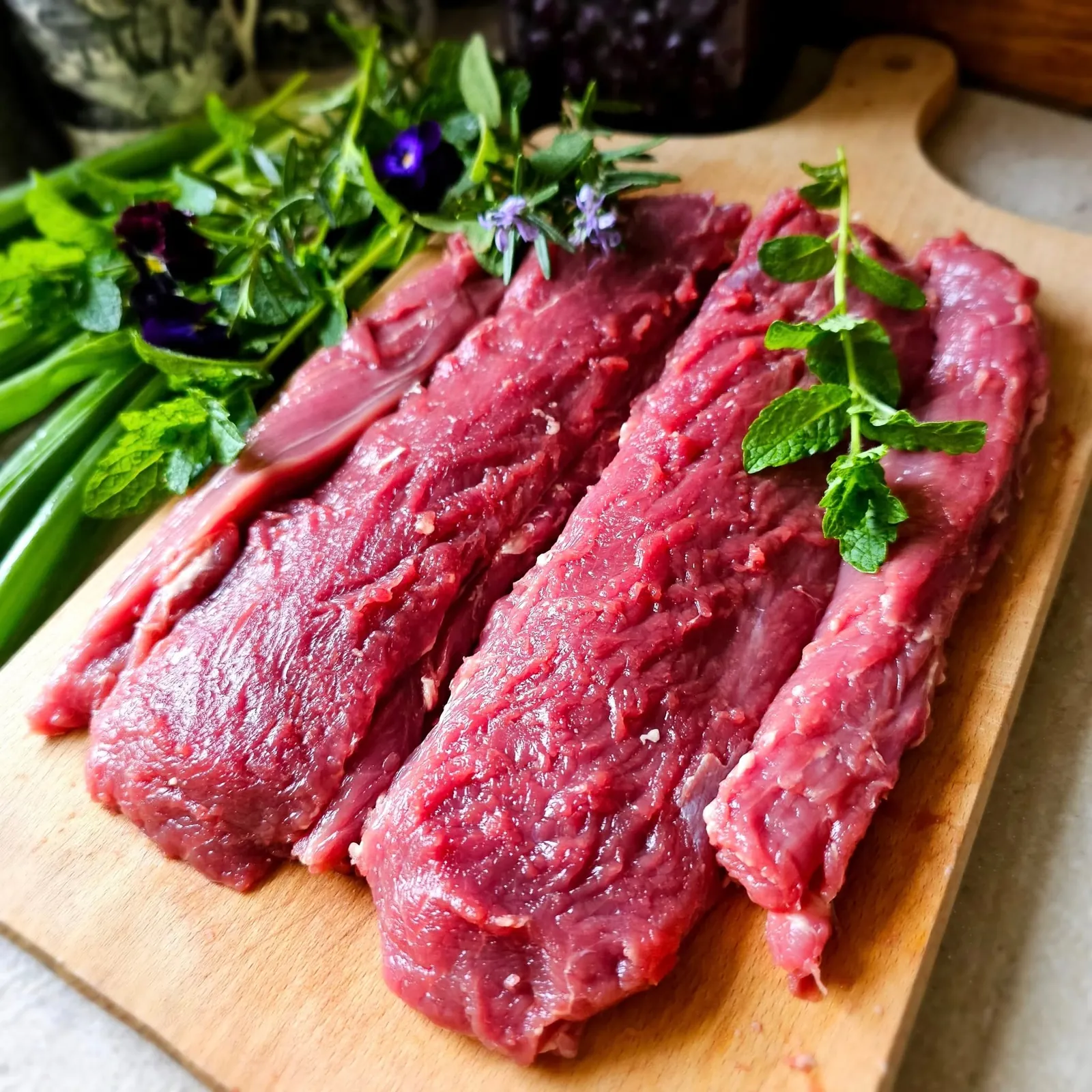
Micro-communities provide not only clean, chemical- and antibiotic-free food, they also strengthen friendships. Taking part together in raising a calf or a lamb is an experience that brings responsibility, trust and shared joy.
Veal and lamb free of antibiotics, hormones and chemicals.
The families share the tasks between them and help each other with the logistics.
A shared goal and shared work tie friendships even more tightly.
The families receive not only from the Farm but from each other too — support, attention, safety.
Restoring the gut flora is unthinkable without clean, medicine-free food — so the Farm takes particular care that every family receives real health.
A new opportunity is opening up: if you would like to take part in this community model, gather a few families from your circle of friends and join together! A micro-community then gets not only clean, healthy food but shared experiences too — because caring for something together ties relationships closer, and you take responsibility for each other.
Form a circle of friends made up of 5–6 families.
Decide together how many animals you would like.
Name one contact person who keeps in touch with the Farm and arranges the collection of the meat on the slaughter day.